
Rental Car Snow Chain Requirements Winter Driving Guide: What Every Traveler Needs to Know Before Hitting the Mountains
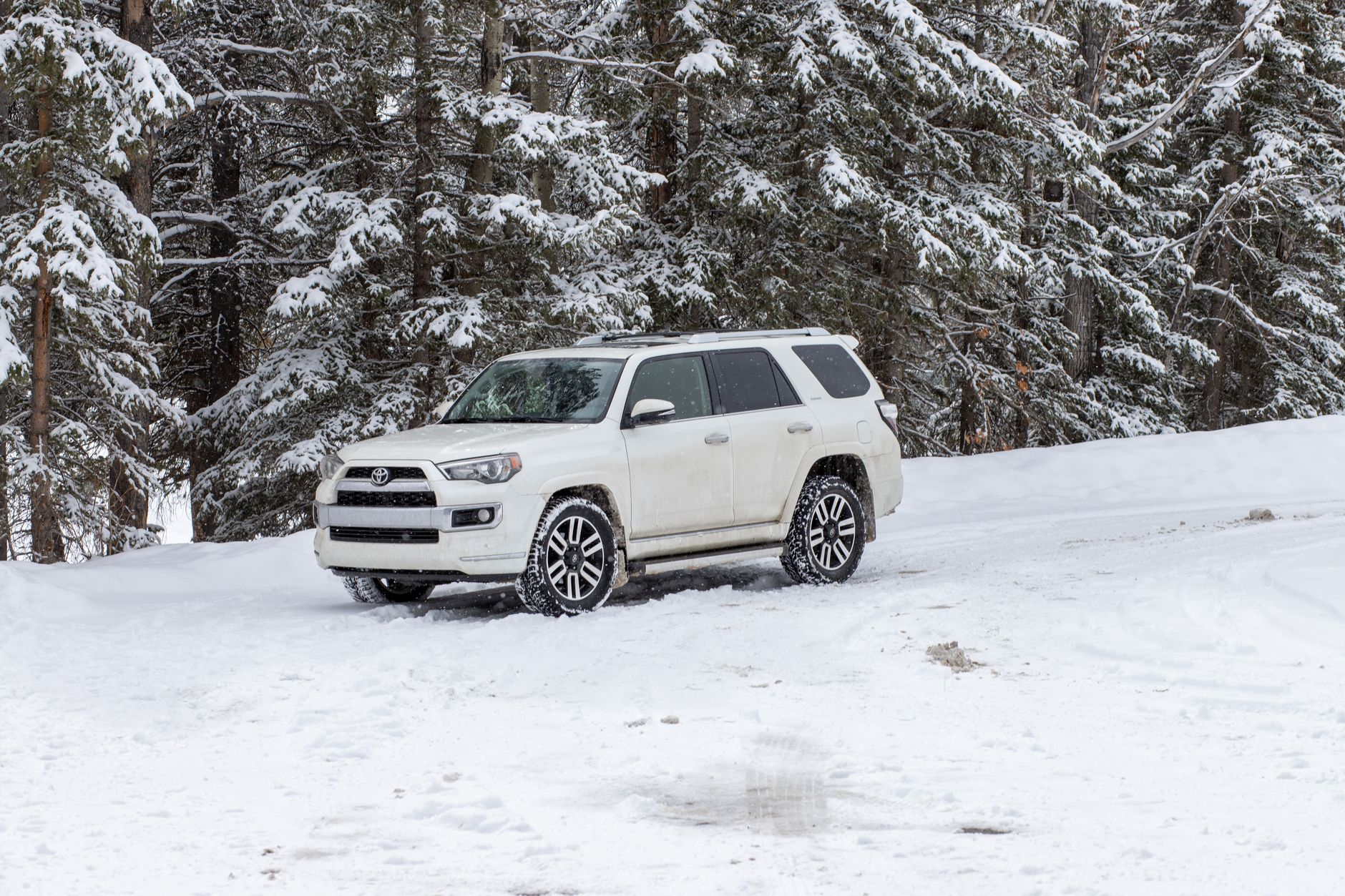
As the 2026 winter season approaches and ski resorts across the Alps and Rockies prepare for what meteorologists predict will be a La Niña-driven heavy snowfall year, thousands of travelers are booking rental cars for mountain getaways—often without realizing they’re driving straight into a legal minefield. This rental car snow chain requirements winter driving guide cuts through the confusion that costs unprepared renters hundreds in fines and leaves them stranded at chain checkpoints. Whether you’re planning a ski trip to Colorado, a winter road trip through the Swiss Alps, or a scenic drive through Japan’s snow country, understanding the intersection of rental agreements and winter equipment laws isn’t just smart—it’s mandatory in many regions.
The Winter Equipment Landscape: What’s Changed for 2026
Winter driving regulations have tightened significantly across popular tourist destinations. As of November 2026, several key updates affect rental car travelers:
Mandatory Chain Zones Have Expanded: California’s chain control areas now include previously exempt sections of Highway 50 near Lake Tahoe, while Colorado has implemented stricter enforcement of its traction laws on I-70 with automated fine systems that bill rental companies directly (who then bill you, plus administrative fees).
Rental Company Policies Have Shifted: Following a surge in winter-related claims during the 2024-2025 season, major rental agencies including Hertz, Enterprise, and Sixt have revised their winter equipment policies. Many now prohibit customers from installing chains themselves due to vehicle damage concerns, instead requiring renters to purchase or rent their proprietary winter equipment packages—often at premium prices ranging from $15 to $40 per day.
The “Winter Tire vs. Chain” Confusion: A critical distinction many travelers miss: winter tires (marked with M+S or the Three-Peak Mountain Snowflake symbol) are legally sufficient in some regions but not others. In Austria, for example, winter tires are mandatory from November 1 to April 15, but chains are still required on certain steep alpine passes regardless of tire type. Meanwhile, in Germany, winter tires are conditionally mandatory based on weather conditions, creating a gray area that has caught numerous renters off guard.
Country-by-Country Breakdown: Where You Actually Need Chains
Understanding local laws prevents that sinking feeling when you encounter a chain checkpoint with no equipment. Here’s the current regulatory landscape for major winter destinations:
United States: Requirements vary by state and road conditions. California’s chain requirements are the most stringent, with three levels of chain control (R1, R2, R3). R2 conditions—requiring chains on all vehicles except 4WD with snow tires—are common on routes to Lake Tahoe and Yosemite. Colorado’s traction law requires either 4WD/AWD with adequate tires or chains on passenger vehicles during active winter storms. Fines for non-compliance start at $130 but can exceed $650 if you cause an accident or block traffic.
European Alps: France requires chains or winter tires on designated mountain roads (look for blue signs with white chain symbols). Switzerland mandates winter tires during snow or ice conditions, with fines up to 200 CHF for non-compliance. Austria’s rules are the strictest—winter tires are legally required during winter conditions, and chains are mandatory on certain roads when indicated by signage.
Japan: Hokkaido and the Japanese Alps require winter tires from December through March. Rental cars in these regions typically come equipped, but verify before departing. Chain requirements apply to specific mountain passes, and rental agencies often prohibit chain installation on their vehicles due to clearance issues.
Canada: British Columbia requires winter tires or chains on most highways from October 1 to April 30. Quebec’s winter tire law is the strictest in North America—all vehicles must have winter tires from December 1 to March 15, with no exceptions for rental cars.
The Rental Agreement Trap: What You’re Actually Responsible For
Here’s where most travelers get burned: rental agreements often contain clauses that shift winter equipment liability entirely to the renter while simultaneously restricting what equipment you can use.
The Chain Installation Prohibition: Many rental companies explicitly prohibit customers from installing chains on their vehicles, citing potential damage to wheel wells, brake lines, and body panels. Violating this clause can void your insurance coverage and result in charges for any damage caused. Yet these same companies may not provide chains as an option, leaving you in an impossible position when you encounter a mandatory chain checkpoint.
The Winter Equipment Fee Structure: Rental agencies have monetized winter preparedness. Expect to pay:
- Winter tire packages: $20-$45 per day (often with a maximum cap)
- Snow chain rental: $10-$25 per day (where available)
- “Winterization fees”: $15-$30 flat fee in some mountain locations
The Insurance Gap: Standard rental car insurance and most credit card coverage exclude damage caused by improper chain installation or driving in conditions that violate the rental agreement. If you slide off an icy road without legally required equipment, you may be personally liable for the full vehicle value.
Pro Tip: Before booking, call the specific rental location (not the corporate line) and ask three questions: Do you provide winter tires? Are chains permitted on this vehicle? What happens if I encounter a mandatory chain checkpoint without equipment? Get the answers in writing via email.
Practical Strategies: How to Handle Winter Mountain Driving Legally and Safely
Option 1: Rent a Properly Equipped Vehicle The simplest solution is often the most expensive. Book a vehicle with winter tires from a location that guarantees their availability. In Europe, this typically means renting from a mountain-area location rather than an airport. In North America, request a vehicle with all-wheel drive and confirm it has M+S rated tires. Document the tire condition and markings with photos before leaving the lot.
Option 2: Use Alternative Transportation for the Final Leg Many ski resorts and mountain towns offer shuttle services from valley locations. Consider renting a standard vehicle for highway driving, then switching to local transportation for the final mountain ascent. This approach often costs less than winter equipment fees and eliminates chain-related stress entirely.
Option 3: Purchase Chains as a Last Resort (With Caution) If you must buy chains, purchase them locally rather than bringing them from home—sizing requirements vary by vehicle and tire size. However, verify that your rental agreement permits chain installation. Some travelers have successfully negotiated permission by agreeing to professional installation at a local shop, creating a paper trail that protects both parties.
Option 4: Time Your Travel Around Weather Windows Monitor mountain pass conditions through official sources like Caltrans QuickMap, Colorado’s COtrip, or the European Avalanche Warning Services. Many chain requirements are condition-dependent rather than date-based. A flexible schedule can help you avoid the worst conditions entirely.
What to Do When You Encounter a Chain Checkpoint
Despite your best planning, you may face a mandatory chain control point. Here’s your action plan:
Don’t Panic or Attempt to Turn Around Illegally: Highway patrol officers at checkpoints have seen every excuse. Remain calm and ask about options.
Chain Installation Services: Many checkpoints have authorized chain installers on-site or nearby. These services typically cost $40-$80 but ensure proper installation and often provide a receipt that may satisfy rental company requirements.
Wait It Out: Chain requirements often lift as conditions improve. If you’re not on a tight schedule, waiting a few hours can resolve the situation without equipment.
Document Everything: If you’re forced to purchase chains or pay for installation, keep all receipts. Some rental companies will reimburse these costs if you can demonstrate they failed to provide legally required equipment.
Conclusion: Your Winter Driving Checklist
This rental car snow chain requirements winter driving guide boils down to one principle: preparation prevents penalties. Before your next winter mountain trip, verify equipment requirements for your specific route, confirm your rental vehicle’s capabilities, and understand your agreement’s winter clauses. The 2026 season’s predicted heavy snowfall means stricter enforcement and higher stakes for unprepared travelers.
Your pre-departure checklist:
- Research chain and winter tire requirements for every jurisdiction on your route
- Confirm equipment availability with your specific rental location in writing
- Photograph tire condition and markings at pickup
- Save mountain pass condition websites to your phone
- Budget for potential chain installation services or equipment fees
- Consider travel insurance that covers weather-related delays
Winter mountain driving in a rental car doesn’t have to be a gamble. With the right preparation, you’ll spend your time enjoying the scenery rather than explaining yourself to highway patrol or disputing damage charges. Safe travels, and may your 2026 winter adventures be memorable for the right reasons.