
Rental Car Gas Tank Policy Explained: Why 2026's Pre-Purchase Fuel Prices Just Hit $6.50/Gallon
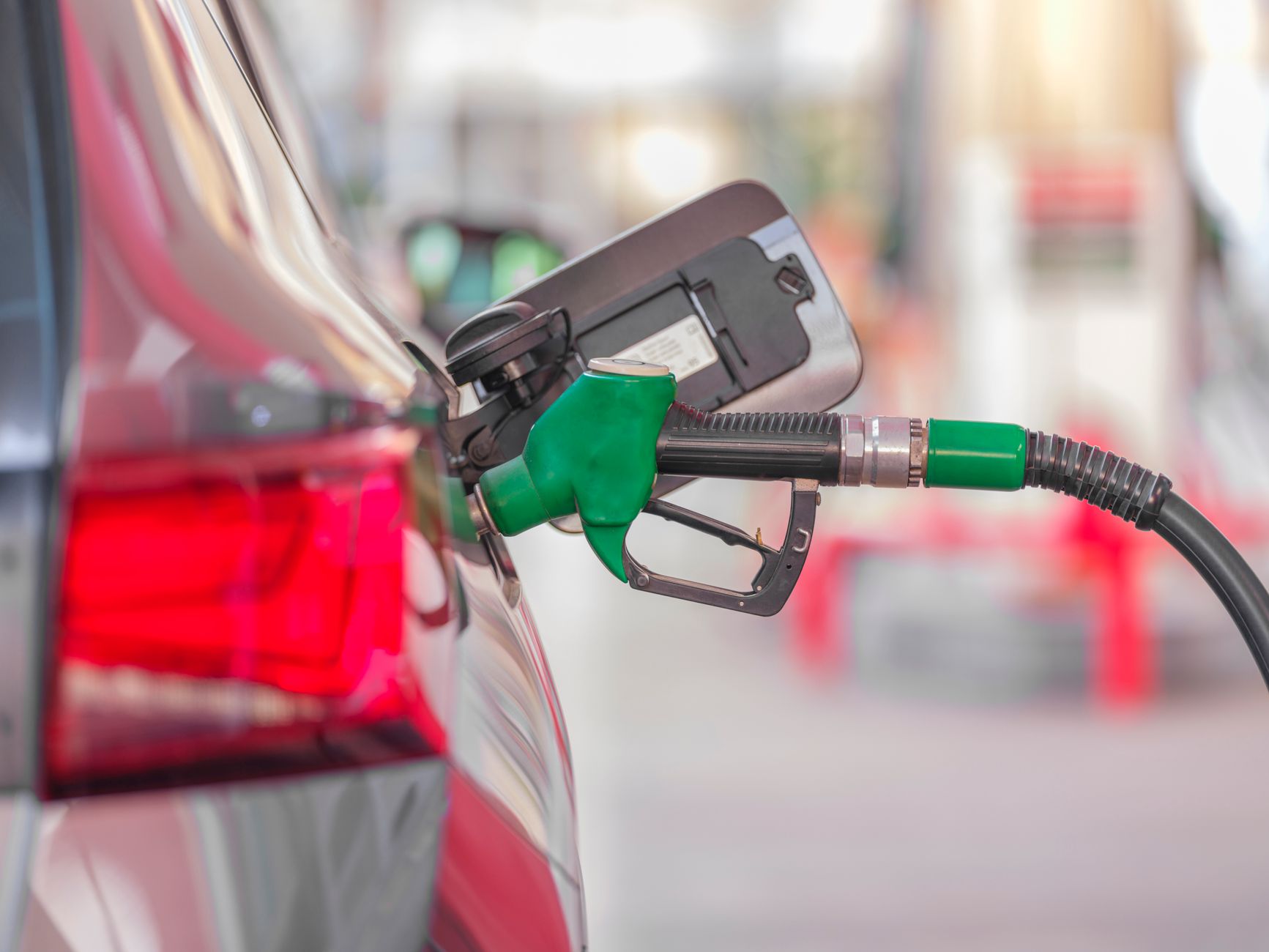
You’ve seen the headlines: major rental car chains are quietly jacking up pre-purchase fuel rates to $6.50 per gallon in high-demand summer 2026 markets like Orlando, Las Vegas, and Honolulu. That’s roughly $2.20 above the national average pump price. Yet travelers keep blindly clicking “yes” to the fuel option at checkout, then kicking themselves at return time.
Here’s the reality: rental car gas tank policy explained properly could save you $40 to $80 on a single weeklong rental. But the industry deliberately makes these policies confusing. Four different fuel options, cryptic contract language, and aggressive upsells at the counter turn a simple decision into a wallet-draining guessing game.
This guide breaks down exactly how each fuel policy works in 2026, which one actually makes sense for your trip type, and the specific return-time tactics that prevent surprise charges.
The Four Fuel Policies You’re Actually Signing Up For
Rental companies don’t use standardized language, but every fuel option falls into one of these four categories. Know them before you reach the counter.
1. Full-to-Full (The Honest Option)
You receive the car with a full tank. You return it full. No fuel charges, no markups, no games.
The catch: “Full” is stricter than you think. Return at 7/8 tank and you’ll pay a refueling fee of $15–$25 plus the company’s inflated per-gallon rate—often $5.50 to $6.50 in 2026. I’ve seen Hertz charge a traveler in Denver $47 for bringing back a Ford Escape at 3/4 tank.
Pro tip: Fill up within 10 miles of the return location. Driving 25 miles to “save 10 cents a gallon” often backfires when highway driving burns more than you expect, especially in thirsty SUVs.
2. Pre-Purchase Fuel (The $6.50/Gallon Trap)
This is where summer 2026 pricing gets ugly. You “buy” a full tank upfront, usually at a rate $1.50 to $2.20 above local pump prices. The pitch? “Return empty and don’t worry about refueling.”
The math never works. A 15-gallon tank at $6.50/gallon costs $97.50. Local gas at $4.30/gallon costs $64.50. You’d need to return with less than 2 gallons to break even—and good luck running that precisely without risking a tow.
Exception: One scenario where pre-purchase makes sense: very early morning returns (5–7 AM) when gas stations near airports are closed. Even then, calculate whether a $15 Uber to an open station beats the $33 markup.
3. Full-to-Empty (The Rare Honest Markup)
You pay for a full tank upfront, return empty. Sounds like pre-purchase, right? The difference: no refueling fee if you return with gas remaining. You’re only buying the fuel, not the convenience of skipping the pump.
Problem: Companies price this identically to pre-purchase in 2026. Budget and Avis have essentially merged the two concepts in their online booking flows. Read the fine print—if it says “plus refueling charge,” you’re in pre-purchase territory.
4. EV Return Charge (The New 2026 Curveball)
Electric vehicle rentals now carry their own fuel-equivalent policy. Return with less than 70% charge at Hertz, and you’ll pay a $35 flat fee plus $0.45/kWh—roughly triple commercial charging rates. Tesla Superchargers near LAX run about $0.28/kWh as of July 2026.
Critical detail: Some locations require 80% minimum return charge. Check your specific rental agreement; the generic “EV policy” page on company websites often lists the lower threshold.
The Return-Time Tactics That Prevent $50 Surprise Charges
The rental car gas tank policy explained in your contract isn’t the same one enforced at return. Counter agents and lot inspectors have discretionary power. Here’s how to protect yourself.
Photograph Everything
Take a timestamped photo of:
- The fuel gauge at pickup (showing “F”)
- The fuel gauge at return (showing “F”)
- The odometer at both points
Apps like Fuelio or even Apple Notes with location tagging work. One traveler I spoke with fought a $38 Hertz fuel charge in Miami using a timestamped gas station receipt showing 2.3 miles from return, plus a dashboard photo. The charge was reversed in 48 hours.
Know the “Grace Volume”
Most companies allow 1/16 tank below full without triggering fees—that’s roughly 1 gallon in a compact, 2 in an SUV. But this isn’t published anywhere. It’s negotiated at the return booth based on how busy they are and your attitude.
Tactical insight: Return during mid-morning lulls (10 AM–12 PM) when lot staff aren’t rushed. Rushed evening returns (5–7 PM) correlate with stricter enforcement in data from consumer complaints.
The “Top-Off” Window
Fill up, then drive 3–5 miles before returning. This lets the fuel settle and the gauge stabilize. Modern fuel tanks have anti-slosh baffles, but gauge sensors can read slightly high immediately after filling. That 1/8-inch drop from “F” to 7/8 often triggers fees.
When Pre-Purchase Actually Makes Sense (Three Narrow Exceptions)
Despite the $6.50/gallon horror stories, pre-purchase fuel isn’t universally terrible. Consider it if:
You’re on a pure business trip with zero personal time. The 15 minutes to refuel costs more than your billable rate. A partner at a consulting firm earning $400/hour effectively “spends” $100 to save 15 minutes. The $33 markup is rational here.
You’re returning to a genuine fuel desert. Some airport-adjacent returns—like Phoenix Sky Harbor’s consolidated rental center—have no gas stations within 5 miles. The Uber roundtrip to the nearest station ($18) plus your time may exceed the markup.
You’re driving a known gas-guzzler on a short trip. A Jeep Wrangler 4xe in hybrid mode burns 18+ gallons in 250 miles of mixed driving. Pre-purchase becomes break-even if you return with under 3 gallons, which is achievable with precise planning.
The 2026 Policy Shifts You Need to Know
Three changes this year affect how rental car gas tank policy explained in older guides no longer applies:
-
Digital fuel gauges now trigger automatic charges. Enterprise rolled out RFID-enabled fuel sensors at 40% of locations in 2026. No human discretion—the computer reads your tank and bills your card. Appeals require manager intervention, not counter negotiation.
-
“Fuel included” subscriptions are rising. Sixt’s 2026 Flex Pass bundles unlimited fuel for $22/day on compact cars. Break-even at roughly 5 gallons/day. Heavy drivers in expensive markets (California, Hawaii) should calculate this.
-
Receipt requirements tightened. Budget now requires a gas receipt within 10 miles and 2 hours of return to dispute fuel charges. No receipt? You’re automatically liable. Screenshot your Apple Pay or credit card transaction immediately.
Conclusion: The One-Minute Decision Framework
Rental car gas tank policy explained simply: full-to-full wins for 85% of travelers in 2026. The exceptions are narrow, time-bound, and calculable.
Before you click any fuel option, run this check:
- Is my return time during gas station hours? → Full-to-full
- Will I drive enough to nearly empty the tank? → Full-to-full
- Is my time genuinely worth $150+/hour? → Pre-purchase, grudgingly
Everything else is the rental industry harvesting your confusion at $6.50 per gallon. Take the photos, keep the receipt, and never let a fuel gauge hit 7/8 on return day.